-
Urgent Request to Members and Supporters
by Pete Johnson, Acting President
 Duval Audubon is the only conservation organization that has been established in Duval County since 1939. Yes, that’s 85 years this year! The chapter has changed a lot over the years, but the core mission has stayed the same, to celebrate and conserve our amazing bird diversity in Northeast Florida. Our official mission is “Connecting People with Nature, conserving and restoring natural ecosystems, focusing on birds and other wildlife.” We continue to do this for our membership and the community, but we need your help.
As many of you know by now, previous chapter president Carol Bailey-White stepped down last year after 3 years as president and 10 years of serving on the board in various other capacities. She is still dedicated to our chapter and continues to volunteer with our website and social media outlets. We were excited when new president Rich Egan came on board for the 2023-2024 year. However, he resigned after a few months for personal reasons and was not able to continue leading our organization.
That’s where I stepped in as Acting President through the remainder of the 2023-2024 term. As Vice President and long-time director of Crosby Sanctuary, it was my responsibility to take on this role. However, my career obligations are very demanding, and I have a limited capacity to continue in this position. We need someone with the time and energy to devote to our chapter to step up and submit an application to be President. We have a great group of Board Members to support you. It’s a manageable role that anyone can reasonably do.
Preferably, we are looking for someone who is retired or works part-time and has a little more time to devote than someone working full time. However, we are not limiting the field if the right candidate wishes to step up. I’ll even volunteer to stay on as Vice President for the first year to provide support.
We have position descriptions available for review. Please, if you have any interest just contact us at This email address is being protected from spambots. You need JavaScript enabled to view it. and request a position description for review.
You can This email address is being protected from spambots. You need JavaScript enabled to view it. and/or apply using our online application form (a paper form is also available if you prefer). Thank you!
-
Having Your Voice Heard
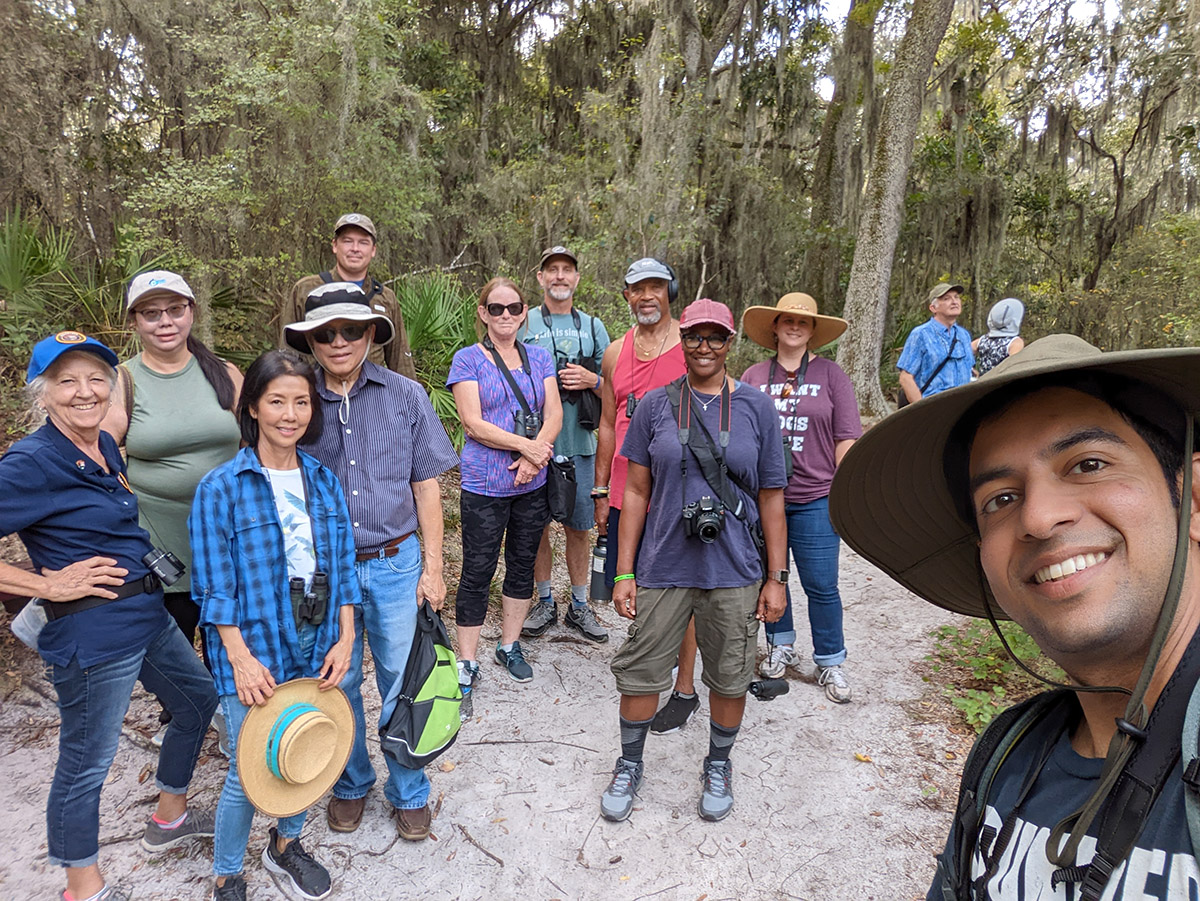 Your membership in Duval Audubon strengthens our messages to the public and government leaders. The more members we have, the more effective our voices for birds and bird habitat will be. Education about conservation issues is an important part of our work. Help us amplify our messages. Your membership means a better community for people and birds and other wildlife. Join today and help make Duval, Clay and Nassau better places for all creatures to live.
Unsure of your membership status? Reach out to our membership director Christine Lucas at This email address is being protected from spambots. You need JavaScript enabled to view it..
-
Upcoming Activities
Here's what's happening this month:
 Duval Audubon Bird Walk for Beginners @ Fort Caroline National Memorial: 9 - 11 am, Sunday, April 7, 2024 (register here)
- Bird Steward Training @ The Ribault Club: 10 am - 12 pm, Friday, April 12, 2024 (This email address is being protected from spambots. You need JavaScript enabled to view it.)
- Florida Native Plant Society, Ixia Chapter, Native Plant Sale @ Native Park: 10 am - 2 pm, Saturday, April 13, 2024 (learn more here)
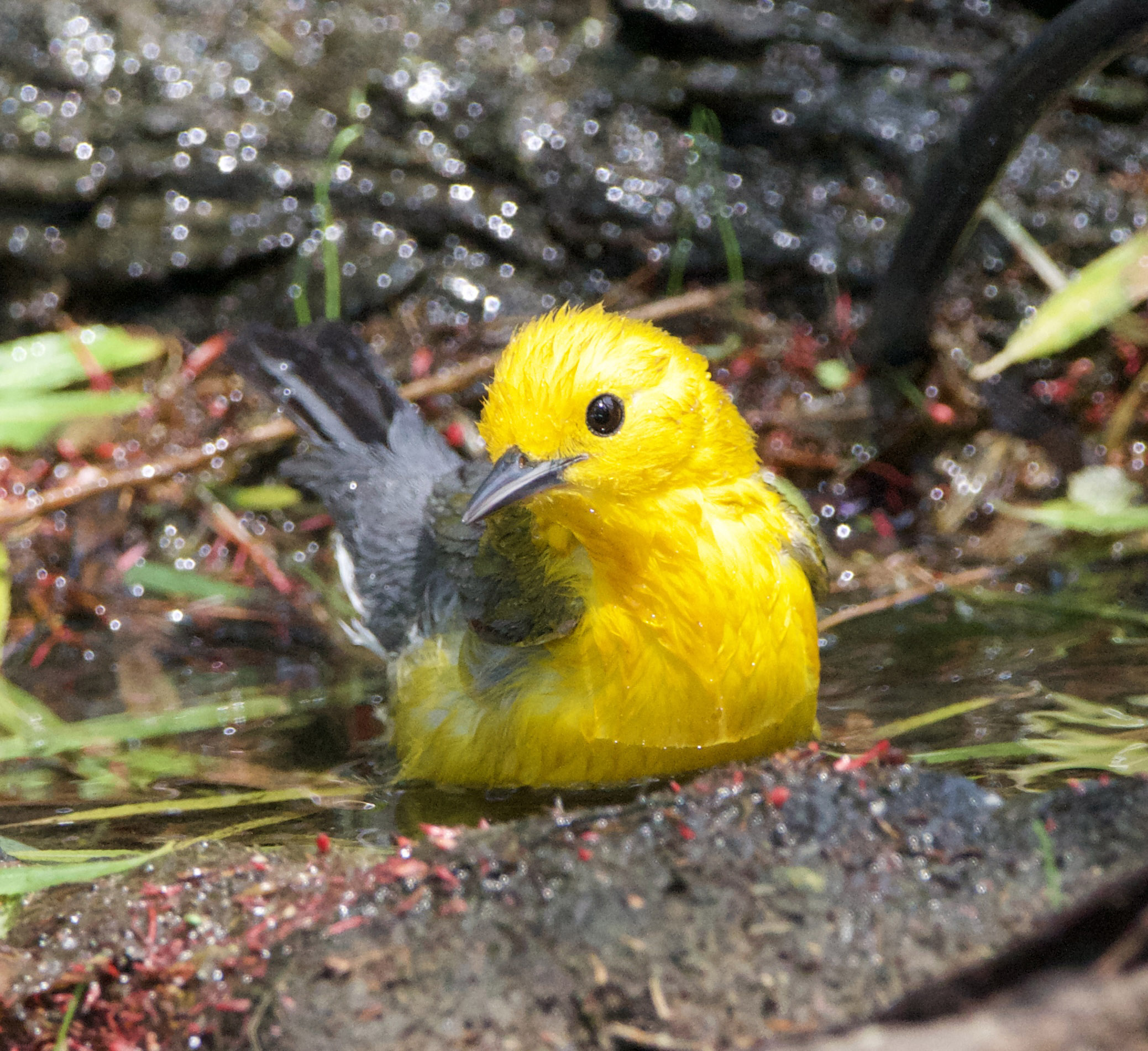
- Duval Audubon Monthly Program (virtual via Zoom) "A Passion for Prothonotaries": 6:30-8:30 pm, Monday, April 15, 2024 (register here)
- Duval Audubon Field Trip: Spring Migration @ Hanna Park: 8 am - 12 pm, Saturday, April 20, 2024 (register here)
- Duval Audubon Nature Walk and Work Day @ Crosby Sanctuary: 8 am - 12 pm, Saturday, April 20, 2024 (more info here)
- Black Creek EcoFest @ Camp Chowenwaw Park: 10 am - 3 pm, Saturday, April 20, 2024 (more info here)
- Earth Day 2024: All day, Monday, April 22, 2024 (learn more here)
- Florida's Birding & Photo Fest 2024: April 24-28, 2024 (learn more here)
- City Nature Challenge 2024: April 26-29, 2024 (learn more here)
- Duval Audubon Open House @ Crosby Sanctuary: 8 am - noon, Saturday, April 27, 2024 (no registration needed)
- Florida WildQuest 2024: April 27 - May 5, 2024 (learn more here)
We look forward to seeing you soon!